The Honest Economics Of Cooking At Home

Cooking at home saves money, but not in the way the simple math suggests. The real savings hide in the details.
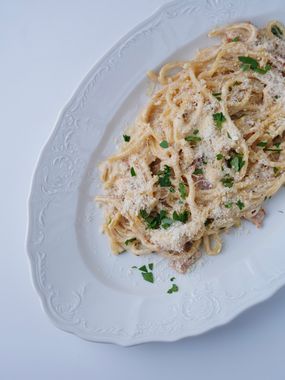
It is easy to prove that cooking at home is cheaper than eating out by comparing a plate of pasta to a restaurant bill. But that comparison hides as much as it reveals. The real economics of a home kitchen live in the parts nobody photographs: the half onion that goes into tomorrow night, the roast chicken that becomes stock that becomes soup, the bag of dried beans that costs less than a coffee and feeds a family.
Waste is where most kitchens quietly lose money. A cook who plans a week so that ingredients overlap -- the herbs bought for one dish flavoring a second, the greens used before they wilt -- spends far less than one who buys for each meal in isolation. Cooking from a pantry instead of a shopping list is the difference between a budget that works and one that leaks.
None of this means cooking has to feel like an austerity measure. It means the savings are real and compounding, and they reward the cook who treats the whole kitchen as a system rather than a series of separate dinners. Eat well, waste little, and the math takes care of itself.